Millions of UK households are now living under hosepipe bans as one of the hottest, driest summers on record pushes water supplies to the limit. With the UK in its third heatwave of the season and temperatures peaking at a record 37.3°C in Suffolk in late June, four water companies have declared formal restrictions, affecting more than 9 million customers across southern and eastern England.
What Is a Hosepipe Ban?
The official term is a Temporary Use Ban (TUB), declared under Section 76 of the Water Industry Act 1991. Only water companies can declare one — not local councils or the government. Before it takes effect, the company must advertise the ban in two local newspapers covering the area and publish the notice on its website.
Who’s Currently Affected
As of July 11, 2026, four water companies have active or newly declared bans:
- South East Water — in force since July 3 across Kent, affecting around 850,000 customers.
- Southern Water — took effect July 10 across Hampshire and the Isle of Wight (not Sussex), covering roughly 1 million of its 4.6 million customers.
- Anglian Water — the largest ban of the summer and the company’s first since 2012, covering more than 5 million customers across the East of England (Hartlepool, served separately, is excluded). It’s enforceable from 1:01 am on July 11.
- Cambridge Water — its first ban in over 30 years, in place from July 9 and enforceable from July 17, covering around 350,000 households.
Thames Water, the UK’s largest provider with 16 million customers across London and the Thames Valley, has not introduced a formal ban but is urging customers to cut back voluntarily, despite recently adding a billion litres of extra supply.
One persistent point of confusion: there is no active Yorkshire Water ban in 2026. Reports citing an July 11 start date are recycling coverage of the 2025 ban, which was lifted in December of that year — Yorkshire Water’s own status page confirms no current restrictions.
Why Now
Water companies say the scale of this summer’s heat is the core issue. South East Water said it’s drawing water from storage faster than it can treat and refill it, even after boosting output by 100 million litres a day. Anglian Water pointed to below-normal river levels and lower-than-expected reservoir storage across the East of England, one of the driest and most climate-vulnerable regions in the UK.
What You Can and Can’t Do
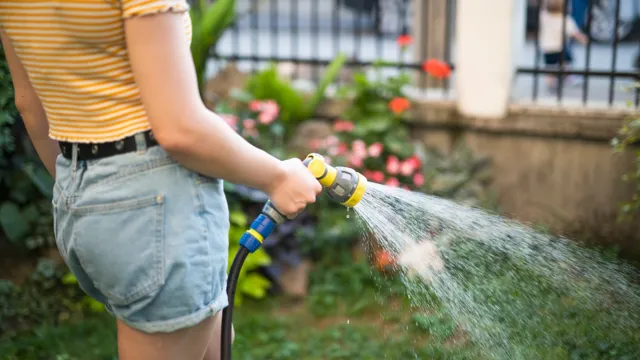
Breaching a TUB carries a fine of up to £1,000 under the Water Industry Act, but only if the ban applies to where you live. Water companies advise switching to a watering can or bucket for gardens during a ban.
Some groups and activities are automatically exempt, including:
- Registered disabled customers, Blue Badge holders, and those on a water company’s priority services register
- Businesses where hosepipe use is essential
- Ponds needed for the welfare of fish or aquatic animals
- Pools required for medical treatment
- Ornamental fountains used for religious purposes
- Food crops in allotments or home gardens that can’t reasonably be watered by hand
What Happens Next
If dry conditions continue, water companies can apply to the Secretary of State for a drought order, which allows for stricter penalties and broader restrictions, including limits on commercial water use. For now, the advice from providers is consistent: check whether your specific water company has declared a ban, since restrictions vary significantly by region even within the same part of the country.
Leave a Reply