Category: Business and Finance

  • Halifax Branch Closures: 15 Sites Shutting in August, Full Context

    Halifax branch closures continue this August, with 15 more UK sites confirmed as part of a wider 46-branch closure programme.

    What’s Happening in August Specifically

    • 15 Halifax branches are confirmed to close throughout August 2026
    • Confirmed just this week, with customers due to be contacted directly if their local branch is affected
    • Part of a broader ongoing wave — Lloyds, NatWest, Royal Bank of Scotland, Santander, and Halifax have all been closing branches in 2026, while Barclays has said it plans to open more

    Who Is Actually Affected

    Halifax is one of the UK’s best-known banking brands, founded in West Yorkshire in 1853, with millions of customers nationwide — this is a broad, general consumer-banking story, not a narrow product recall or single-service issue.

    • Any Halifax current account, savings, or mortgage customer whose local branch is on the closure list
    • Elderly and vulnerable customers flagged specifically by consumer campaigners as most affected, given greater reliance on face-to-face banking and cash services
    • Rural and less-connected communities, where a closure may mean a considerably longer journey to the nearest remaining branch

    The Bigger Picture: Why Halifax Branch Closures Keep Happening

    Part of what’s driving August’s closures is a structural change, not just routine cost-cutting: the Halifax brand itself is being phased out in many locations, with the majority of remaining Halifax branches either rebranding to Lloyds or closing outright, as customers get folded into an existing local Lloyds branch instead. Lloyds Banking Group — which owns Lloyds Bank, Halifax, and Bank of Scotland — has confirmed 168 branches closing across all three brands through 2026 and 2027, with 46 of those specifically being Halifax sites.

    Halifax has attributed the decisions to a broad and sustained shift toward digital banking, saying reduced in-person visits and growing customer preference for managing finances online are driving reduced demand for physical branches. Before finalizing each closure, the bank says it assesses factors including transport links and local internet availability.

    What Alternatives Halifax Is Offering

    • Sister-bank branches: customers can use Lloyds Bank or Bank of Scotland branches for cash deposits, cheque paying-in, and withdrawals
    • Banking hubs: shared spaces run by the Post Office, where customers from multiple banks — not just Halifax — can deposit and withdraw cash and get face-to-face support
    • Post Office branches generally: standard everyday banking services remain available through the wider Post Office network
    • Digital and telephone banking: the primary channel Halifax is steering customers toward

    Government Scrutiny of the Trend

    The wave of closures has prompted a formal response at the national level: HM Treasury has launched an independent review into access to in-person banking services, to be led by Richard Lloyd, former executive director at consumer group Which?. Which?’s own Director of Policy and Advocacy, Rocio Concha, has publicly described the scale of branch closures and their impact on communities as “a serious problem” — signaling this is being treated as a genuine consumer-access issue, not simply routine corporate restructuring.

    What to Do If You’re Affected

    • Check directly with Halifax (via its website or by visiting your branch) to confirm your specific branch’s closure date, since exact closure lists are continuously updated
    • Locate your nearest banking hub or alternative Lloyds Banking Group branch in advance, rather than waiting until your usual branch actually closes
    • If you rely heavily on in-person or cash banking, consider registering for phone banking support ahead of a confirmed closure date, giving yourself time to adjust
  • Personal Allowance Frozen Until 2031: Who’s Affected by Fiscal Drag

    The UK Personal Allowance stays frozen at £12,570 through 2031, deepening fiscal drag — here’s who’s affected by the freeze.

    What the Personal Allowance Actually Is

    The Personal Allowance is the amount you can earn each year in the UK before paying any Income Tax at all. For 2026/27:

    • Standard Personal Allowance: £12,570
    • Basic rate limit: £37,700 (taxed at 20% above the allowance)
    • Higher rate threshold: £50,270 (allowance + basic rate limit combined, taxed at 40%)
    • Additional rate: applies above £125,140, taxed at 45%

    Who Is Actually Affected

    This is about as broad as a UK tax story gets — the freeze applies to all individual taxpayers across England, Wales, and Northern Ireland, not a narrow subset. But some groups feel it more acutely than others:

    • Anyone whose wages have risen with inflation: since the allowance hasn’t moved since 2021/22, a bigger share of every pay rise now falls into taxable territory — this effect is called fiscal drag
    • Pensioners: as the State Pension has risen under the triple lock, some pensioners who previously paid no tax at all are now liable for the first time, since their income has grown while the tax-free threshold hasn’t
    • Earners between £100,000 and £125,140: face a particularly harsh effect — the allowance itself shrinks by £1 for every £2 earned above £100,000, disappearing entirely at £125,140, which creates an effective marginal tax rate of 60% on income in that band
    • Landlords, investors, and people with multiple income sources: a further change taking effect from April 2027 means HMRC will apply your Personal Allowance to earned income first, potentially leaving less of it available to shield rental income, savings interest, or dividends from tax
    • Scottish taxpayers: the Personal Allowance itself is UK-wide, but Scotland sets its own rates and thresholds for non-savings, non-dividend income, so the practical impact of the freeze differs slightly north of the border

    How We Got to a Freeze Lasting Nearly a Decade

    The freeze didn’t start as a decade-long policy — it’s been extended repeatedly:

    1. 2021 Budget (Rishi Sunak): froze the allowance and higher rate threshold for four years, 2022/23 to 2025/26
    2. Autumn Statement 2022 (Jeremy Hunt): extended the freeze two more years, to April 2028, and cut the additional rate threshold from £150,000 to £125,140
    3. 2025 Autumn Budget: extended the freeze a further three years, now running to 5 April 2031

    Why a Freeze Raises Money Through Fiscal Drag Without Raising Rates

    Fiscal drag is what makes freezing thresholds an effective, if quiet, way for a government to raise revenue without announcing a headline tax increase. As Money Saving Expert founder Martin Lewis has put it, many people believe they’re paying more tax because rates have gone up — when in reality, frozen allowances and thresholds are what’s actually driving the bigger tax bill, even though the percentage rates themselves haven’t changed. The original 2021 freeze alone was forecast to raise an extra £8.2 billion a year in tax receipts by 2025/26.

    What You Can Actually Do About It

    • Salary sacrifice or pension contributions can reduce your taxable income, which doesn’t undo the freeze but can help manage which band your income falls into
    • The Marriage Allowance (£1,260 for 2026/27) lets a lower-earning spouse or civil partner transfer part of their unused allowance to their partner, if eligible
    • ISAs remain unaffected by income tax thresholds entirely, since returns within them are tax-free regardless of your income band — worth considering for higher-rate taxpayers looking to shield savings or investment returns

    Official UK Income Tax Rates and Personal Allowances →

  • 新NISAでオルカンを始める方法:口座開設から積立設定まで

    新NISAでオルカンを始めるには、証券会社でNISA口座を開設し、積立設定をするだけで、100円から世界中の株式に分散投資できる。

    オルカンとは何か

    オルカンとは「eMAXIS Slim 全世界株式(オール・カントリー)」の愛称で、三菱UFJアセットマネジメントが運用する投資信託だ。この1本で日本を含む先進国・新興国合わせて47カ国、約2,900銘柄に投資でき、世界の時価総額の約85%をカバーする。地域別の構成比率はおおむねアメリカが約60〜65%、日本が約5%、その他先進国が約30%、新興国が約5%となっている。個別に銘柄を選ぶ手間がなく、初心者でも手軽にグローバル分散投資を始められる点が支持されている理由だ。

    新NISAでオルカンを始める手順

    1. 証券会社を選ぶ — 楽天証券、SBI証券などのネット証券が主流。取扱本数や手数料、クレジットカード積立時のポイント還元率を比較する
    2. NISA口座を開設する — 証券総合口座の開設と同時に、NISA口座の開設を申し込む。マイナンバー確認書類の提出が必要
    3. 税務署の審査を待つ — 開設申込み後、税務署の審査を経てNISA口座が有効化される(通常数日〜数週間)
    4. オルカンを検索して積立設定をする — 口座開設後、投資信託の検索画面で「eMAXIS Slim 全世界株式(オール・カントリー)」を検索し、積立設定を行う
    5. 積立金額と頻度を決める — 100円から設定可能。毎月一定額を積み立てる「つみたて投資枠」の利用が一般的
    6. クレジットカード積立を設定する(任意) — 楽天カードやSBI証券とのカード積立を設定すると、積立額に応じてポイントが還元される

    新NISAの主なルール

    • 非課税保有限度額: 1,800万円
    • 年間投資枠: 最大360万円(つみたて投資枠120万円+成長投資枠240万円)
    • 非課税期間: 無期限(旧NISAは5年または20年の期限があった)
    • 最低投資額: 証券会社によっては100円から積立可能

    金融機関の変更について

    NISA口座を開設する金融機関は年単位で変更できる。変更したい場合は、変更したい年の前年10月1日から当年9月30日までの間に手続きが必要だ。ただし、その年にすでにNISA口座で取引を行っている場合は、翌年まで変更できない点に注意したい。変更前の口座で保有している商品は、そのまま非課税で保有を続けられる。

    オルカンとS&P500、どちらを選ぶべきか

    新NISAで人気を二分するのが、オルカンと米国株式に集中投資する「S&P500」連動型ファンドだ。

    項目オルカンS&P500
    投資対象全世界47カ国、約2,900銘柄米国の主要500社
    アメリカ比率約60〜65%100%
    分散度合いより広い米国に集中
    過去の値動き世界経済全体に連動米国経済に強く連動

    どちらも低コストで長期の実績があり、初心者に選ばれやすい商品だが、分散をより重視するならオルカン、米国経済の成長により強く賭けたいならS&P500が向いているとされる。

    投資信託を選ぶ際のポイント

    証券会社各社のガイドが共通して挙げるポイントは次の3つだ。

    • 低コスト: 信託報酬(運用管理費用)ができるだけ安いこと
    • 広い分散: 特定の国や業種に偏らず、幅広く分散されていること
    • 長期の実績: ある程度の運用実績があり、長期保有に耐えられること

    知っておきたいリスク

    オルカンも元本保証のある商品ではない。2025年には年前半、株安と円高の影響でマイナス圏で推移する時期があったが、7月以降はプラスに転じ、11ヵ月時点でのリターンが18.13%まで回復した実績がある。一括投資した場合はマイナス期間が長く感じられやすいが、毎月一定額を積み立てる積立投資であれば、価格が低い時期にも購入を続けることになり、平均購入単価を抑えられる効果が期待できるとされている。

    金融庁 公式NISA特設サイトを見る →

  • HMRC ISA Rule Breach Penalties: Who’s Affected in the UK

    HMRC ISA rule breach penalties are hitting more UK savers in 2026, mainly through the 25% early-withdrawal charge on Lifetime ISAs.

    The Well-Documented Story: Lifetime ISA Withdrawal Charges

    The clearest, most reliably sourced part of this story involves the Lifetime ISA (LISA), a savings product with much stricter withdrawal rules than an ordinary Cash or Stocks & Shares ISA.

    • Penalty-free withdrawals only allowed for: buying a first home (valued up to £450,000), reaching age 60, or a terminal illness diagnosis with less than a year to live
    • Withdrawal for any other reason: triggers a 25% government charge on the amount withdrawn
    • Why 25% stings more than it sounds: it doesn’t just claw back the government bonus — it effectively penalizes your own original contribution too, since the charge applies to the full withdrawn amount, bonus included
    • Recent enforcement data: roughly 129,200 Lifetime ISA holders were penalized for unauthorized withdrawals in the latest tax year, with average penalties around £790 and total penalties rising to £102 million, up from £75 million the year before

    Who’s Actually Affected

    This fits a genuinely broad population, not a narrow one — anyone holding a Lifetime ISA, or any ISA type, in the UK is potentially exposed, since the rules apply uniformly regardless of income or account size.

    • Lifetime ISA holders under financial pressure: most vulnerable, since the LISA’s restrictive withdrawal rules mean an emergency cash need often forces the 25% charge
    • Savers with multiple ISAs across providers: at risk of accidentally breaching the overall annual ISA allowance without realizing it, since the limit applies across all your ISAs combined, not per account
    • People who’ve switched providers or inherited accounts mid-year: HMRC has flagged life changes like retirement, inheritance, or bank switching as common, unintentional triggers for breaches
    • Older savers relying on ISAs to supplement pension income: flagged as a particularly exposed group in HMRC’s own compliance messaging

    A Claim Worth Treating With Caution

    Widely circulated coverage claims HMRC recently issued 130,000 warning letters to ISA savers with an average £790 penalty, tied to breaches of the annual contribution allowance. This specific figure appears across multiple similarly-styled websites using near-identical wording, without a clear primary source (no direct HMRC statement or major outlet citation was found backing the exact numbers). It’s plausible directionally — HMRC has genuinely increased ISA compliance monitoring using better data-matching between providers — but the precise “130,000 letters, £790 average” claim should be treated as unverified rather than confirmed fact until it can be traced to an official HMRC release or a reputable financial publication.

    Common Ways People Accidentally Trigger an ISA Rule Breach

    • Paying into more than one Cash ISA in the same tax year
    • Exceeding the total annual ISA allowance across all account types combined
    • Making an incorrect or incomplete transfer between ISA providers
    • Misunderstanding eligibility rules for a specific ISA type

    What HMRC Is Actually Reviewing Going Forward

    Separately from individual penalties, HMRC has run a formal call for evidence on the broader ISA compliance and penalty framework, including a proposal to give HMRC new powers to suspend an ISA manager’s approval if their systems repeatedly allow rule breaches — shifting some responsibility onto providers, not just individual savers.

    What To Do If You Think You’ve Breached a Rule

    • Keep track of total contributions across all your ISAs before the tax year ends, not just within one account
    • If you receive a letter from HMRC, respond rather than ignore it — some cases result in a request for correction rather than an automatic fine
    • Before making a Lifetime ISA withdrawal for any reason other than a first home, turning 60, or terminal illness, confirm the 25% charge applies to your situation first

    Official HMRC Guidance on ISA Audits →

  • Restituição Receita Federal: Como Consultar o Status do Seu Imposto de Renda

    A restituição Receita Federal do Imposto de Renda 2026 pode ser consultada em minutos — veja como consultar pelo site, app ou e-CAC.

    O Que é a Restituição Receita Federal

    A restituição é a devolução do imposto pago a maior durante o ano-base. Ela acontece quando o IR retido na fonte — sobre salário, pró-labore, aposentadoria, aluguel ou carnê-leão — é maior do que o valor efetivamente devido após o cálculo final na declaração anual. Isso costuma ocorrer porque o desconto em folha não considera automaticamente deduções legítimas, como dependentes, despesas médicas e previdência privada (PGBL). Quando esses itens entram na declaração, o imposto devido cai e o valor já recolhido a mais vira saldo a receber.

    Como Consultar Pelo Site da Receita Federal

    1. Acesse gov.br/receitafederal
    2. Clique em “Consulta Restituição”
    3. Informe seu CPF, data de nascimento e o ano-exercício (2026)
    4. Veja o status exibido na tela
    5. Se o lote já tiver sido liberado, a data do depósito aparece na consulta

    Como Consultar Pelo e-CAC (Extrato Completo)

    1. Faça login no e-CAC com sua conta gov.br nível Prata ou Ouro, ou com certificado digital
    2. Vá em “Declarações” > “Meu Imposto de Renda”
    3. Acesse o Extrato do Processamento para ver o status completo — incluindo se há divergências, pendências ou ajustes no valor da restituição
    4. Se houver contestação a fazer (por exemplo, dedução não reconhecida), é possível anexar documentos diretamente pelo sistema

    Como Consultar Pelo Aplicativo

    O aplicativo Meu Imposto de Renda, disponível para tablets e smartphones, permite verificar tanto a liberação da restituição quanto a situação cadastral do seu CPF diretamente pelo celular, sem precisar acessar o site em um computador.

    Calendário de Lotes 2026

    Uma mudança importante para este ano: até 2025 a Receita Federal pagava cinco lotes de restituição; em 2026 o calendário foi reduzido para quatro lotes mensais, entre o fim de maio e o fim de agosto, com a meta de liberar 80% dos créditos já nos dois primeiros “superlotes”:

    LoteConsulta liberadaDepósito
    1º lote29 de maioMaio
    2º lote23 de junho30 de junho
    3º loteA definirJulho
    4º loteA definirAgosto

    O segundo lote de 2026 já entrou para a história: R$ 16 bilhões distribuídos a 9.585.797 contribuintes, o maior lote da série em número de contemplados. Somando os dois primeiros lotes, já são 18,3 milhões de contribuintes e R$ 32 bilhões pagos.

    Problemas Comuns e Como Resolver

    • Caiu na malha fina: a restituição fica retida até a regularização. Isso costuma acontecer por divergência entre o que você declarou e o que consta nos dados oficiais — por exemplo, pró-labore declarado pelo sócio de forma diferente do valor informado pela empresa na DIRF
    • Conta bancária cadastrada errada: o pagamento é devolvido à Receita em até 30 dias. Acesse o e-CAC, vá em “Solicitar Reagendamento” e cadastre a conta correta — isso gera um novo depósito. O Banco do Brasil oferece esse reagendamento por até 1 ano após a primeira tentativa de crédito
    • Restituição menor do que o esperado: normalmente significa que a Receita ajustou deduções não comprovadas. O detalhe aparece no Extrato do Processamento, e dá para contestar pelo próprio sistema com documentos
    • Pagamento só na conta do titular: por segurança, o depósito não é feito em conta de terceiros, mesmo que os dados bancários estejam corretos para outra pessoa

    Dica Para Receber Mais Rápido

    Quem indica o PIX com chave CPF como forma de recebimento entra na prioridade legal e recebe o valor de forma praticamente instantânea no dia do lote — bem mais rápido do que aguardar transferência bancária tradicional.

    Consultar Restituição no Site Oficial da Receita Federal →

  • Caixa Econômica Federal libera calendário de julho do Bolsa Família e do abono salarial

    A Caixa Econômica Federal divulgou os calendários de julho para o Bolsa Família e o abono salarial, beneficiando milhões de brasileiros.

    Calendário do Bolsa Família em julho

    Os pagamentos do Bolsa Família de julho começam no dia 20 e seguem o cronograma tradicional, organizado pelo último dígito do Número de Identificação Social (NIS), estendendo-se pelos dez últimos dias úteis do mês:

    Final do NISData de pagamento
    120/7
    221/7
    322/7
    (demais dígitos)até 31/7

    A Caixa Econômica Federal orienta todos os beneficiários a monitorar suas contas a partir do dia 20 para garantir que o valor chegue corretamente e evitar transtornos.

    Valores do benefício

    • Parcela mínima: R$ 600 por família
    • Adicional por criança de até 6 anos: R$ 150 por criança
    • Adicional por integrante de 7 a 18 anos incompletos: R$ 50 por pessoa
    • Adicional para gestantes: R$ 50

    Assim que o valor cai na conta, o beneficiário tem até 120 dias para sacar em terminais de autoatendimento, casas lotéricas e agências da Caixa, ou pode movimentar o dinheiro diretamente pelo aplicativo Caixa Tem.

    Como participar do programa

    Para ter acesso ao Bolsa Família, a família precisa primeiro se cadastrar no Cadastro Único (CadÚnico), ferramenta usada pelo governo federal para identificar cidadãos de baixa renda elegíveis a programas sociais. A inscrição no CadÚnico não garante entrada automática no Bolsa Família — cada programa mantém critérios próprios de elegibilidade — mas é um pré-requisito obrigatório para que o pedido seja analisado. Manter o cadastro atualizado também é essencial: informações desatualizadas podem levar à perda do benefício.

    Abono salarial PIS/Pasep também avança em julho

    Paralelamente ao Bolsa Família, a Caixa Econômica Federal também segue o calendário do abono salarial PIS/Pasep, benefício equivalente a até um salário mínimo (R$ 1.621) destinado a trabalhadores da iniciativa privada e servidores públicos que atendem aos critérios do programa.

    • A partir de 15 de julho: começam a receber os trabalhadores nascidos em setembro e outubro
    • Calendário definido por: mês de nascimento do trabalhador, conforme aprovado pelo Codefat (Conselho Deliberativo do Fundo de Amparo ao Trabalhador)
    • Depósitos iniciados em: fevereiro de 2026, com pagamentos seguindo até agosto
    • Prazo final para saque: 30 de dezembro de 2026

    O valor não é igual para todos os beneficiários — é calculado proporcionalmente ao número de meses trabalhados no ano-base considerado pelo programa. Trabalhadores da iniciativa privada recebem o benefício pela Caixa Econômica Federal, preferencialmente em conta Caixa ou na Poupança Social Digital via aplicativo Caixa Tem. Quem não possui conta pode retirar o valor em agências, lotéricas, caixas eletrônicos e correspondentes Caixa Aqui.

    Consultar calendário oficial na Caixa →

    Sobre a Caixa Econômica Federal

    A Caixa Econômica Federal é uma instituição financeira pública fundada em 12 de janeiro de 1861 pelo imperador Dom Pedro II, com sede em Brasília. É uma das principais operadoras de programas sociais do governo brasileiro, além de atuar em crédito habitacional, loterias e demais serviços bancários. A instituição está atualmente sob a presidência de Carlos Vieira Fernandes.

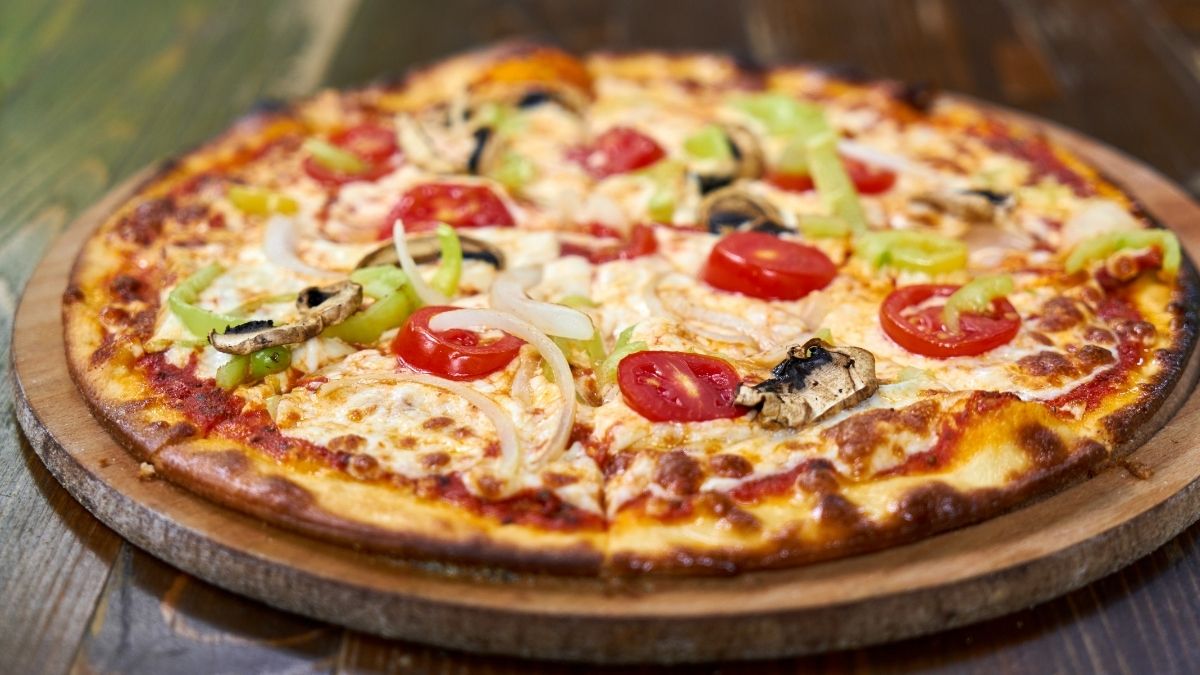
  • Papa Murphy’s Restaurant Closures: Up to 50 Locations Shutting Down

    Papa Murphy’s restaurant closures will affect up to 50 locations over six to nine months, as parent MTY Group closes 68 stores total.

    Papa Murphy's

    The Papa Murphy’s Restaurant Closures, By the Numbers

    CEO Eric Lefebvre announced the plan during MTY Group’s second-quarter fiscal 2026 earnings call. Key figures from the announcement:

    • Total corporate closures across MTY Group: 68 locations
    • Papa Murphy’s share of those closures: 45-50 locations
    • Timeline: over the next six to nine months, with the first shutdowns beginning the week of July 13
    • Combined losses from closed locations: more than $10 million (CAD) over the past 12 months
    • Estimated closure/lease termination costs: $10-12 million (CAD)

    Why Papa Murphy’s Specifically Is Struggling

    Lefebvre was direct about which brand in MTY’s large portfolio is under the most pressure: “Papa Murphy’s, certainly in the U.S., has been struggling more than our other brands as of recent. So that’s a significant weight on QSR.” He added that while other MTY brands face some challenges, none compare to the scale of Papa Murphy’s difficulties.

    The closures cap off a multiyear decline for the chain:

    • 2023 store count: 1,168 restaurants
    • 2025 store count: 1,014 restaurants
    • Company-owned restaurants at end of 2025: just 49

    Since the vast majority of those earlier reductions were franchised locations, this new round is notable for hitting Papa Murphy’s remaining corporate-owned stores almost entirely — the chain will be left with very few company-operated locations once the closures are complete.

    A Turnaround Attempt That Didn’t Pan Out

    About two years ago, MTY Group repossessed three groups of struggling Papa Murphy’s franchise locations, betting it could turn them around under direct corporate management. After investing in those restaurants, the company ultimately concluded many of the markets simply weren’t viable anymore and decided to close them rather than continue absorbing losses.

    MTY Group’s Broader Financial Picture

    The closures come amid a rough quarter for MTY Group as a whole:

    MetricChange (YoY)
    Total revenue-8.2%
    Same-store sales-2.1%
    System-wide sales-3.5%
    Franchise segment revenue-4%

    Despite the pressure on Papa Murphy’s, MTY Group remains one of North America’s largest restaurant franchisors, founded in 1979 and now operating more than 80 brands — including Cold Stone Creamery and Wetzel’s Pretzels — across roughly 7,040 locations total, with about 97% either franchised or run under operator agreements.

    Part of a Wider Pizza Industry Shakeout

    Papa Murphy’s restaurant closures aren’t happening in isolation. Several major pizza chains have announced significant footprint reductions in 2026:

    • Pizza Hut: closed approximately 250 restaurants during the first half of 2026
    • Papa Johns: plans to close up to 300 locations through the end of 2027
    • Domino’s: has been gaining market share at competitors’ expense throughout this period

    Industry analysts point to a familiar combination of pressures driving the trend: rising operating costs, softening consumer demand, and intensifying competition within the quick-service pizza category.

    How the Closures Will Be Handled

    Lefebvre emphasized that MTY is taking a gradual, location-by-location approach rather than a rapid liquidation, in order to limit disruption for employees, landlords, and suppliers. Each restaurant was evaluated individually based on its long-term financial outlook and local market conditions, with the company choosing to keep investing in locations that showed real turnaround potential while closing those where the underlying business no longer supported continued operation. Company leadership said the restructuring costs will weigh on free cash flow in the near term but should strengthen overall profitability over time.

  • Food Prices in UK: Inflation Eases to 2.2% But Bigger Shocks Loom

    Food prices in the UK rose 2.2% annually as of May 2026, though forecasters warn inflation could climb sharply again this year.

    How Food Prices in the UK Have Moved This Year

    Monthly food and non-alcoholic drink inflation, based on ONS data via the Food Foundation’s tracker:

    Month (2026)Annual food inflation
    Q13.5%
    March3.3%
    April3.7%
    May3.0%→2.2% (revised)

    For context, overall UK inflation (CPIH) was running at around 3.0% in May 2026, meaning food inflation had briefly dipped below the general cost-of-living trend after months of running above it.

    The Weekly Shop Keeps Getting More Expensive

    The Food Foundation has tracked a “Basic Basket” of essential groceries since April 2022, when the cost-of-living crisis began. As of its latest tracker:

    • Woman’s basket: £53.51 per week — up 30.6% since April 2022
    • Man’s basket: £60.24 per week — up 38.4% since April 2022
    • Overall food prices: up 30.5% since April 2022, per ONS data

    Separate analysis from the Energy and Climate Intelligence Unit (ECIU) found even sharper increases in specific staples since the crisis began in mid-2021:

    • Beef: +64%
    • Eggs: +59%
    • Chocolate: +58%
    • Frozen vegetables: +55%
    • Pasta: +50%

    Why a New Shock Is Now Driving Forecasts Higher

    Much of the recent inflation pressure traces back to the conflict in the Middle East and its effect on energy markets, since fuel costs feed directly into farming, food processing, and transport. The UN’s Food and Agriculture Organisation recorded a 2.4% rise in its global commodity index in March 2026 alone, with vegetable oil and sugar prices rising fastest.

    As a result, the Food and Drink Federation (FDF) sharply revised its 2026 forecast:

    • Previous FDF forecast: food inflation easing to around 3% by end of 2026
    • Revised FDF forecast: food inflation reaching 9% or higher by end of 2026

    Separately, the ECIU projects that UK food prices could be 50% higher by November 2026 than they were at the start of the cost-of-living crisis in mid-2021 — a pace of increase that took roughly 19 years to achieve before 2021, now compressed into just over 5 years.

    What’s Driving Costs Beyond the Middle East Conflict

    The Bank of England and the House of Commons Library point to several domestic factors compounding the global pressures:

    • Labour costs — the National Living Wage rose 6.7% in April 2025, raising costs in food manufacturing and retail
    • Packaging regulation — new Extended Producer Responsibility rules add costs that firms are passing on to consumers
    • Climate-linked staples — butter, milk, beef, chocolate, and coffee have risen over four times faster than other food and drink, driven by weather-related supply disruptions
    • Business rates relief — a planned reduction in supermarkets’ business rates bills for 2026/27 is expected to have only a modest offsetting effect

    The Impact Isn’t Felt Equally

    Rising food prices consistently hit lower-income households hardest:

    • Households with children in the lowest income quintile would need to spend 85% of disposable income to afford the government’s Eatwell Guide diet, compared to just 11% for the average household in the highest income quintile
    • ECIU analysis found food inflation hits the poorest fifth of households 50% harder than the richest fifth
    • The share of people in food-insecure households rose from 7% in 2021/22 to 11% in both 2022/23 and 2023/24
    • An estimated 6 million UK households currently live in food insecurity

    What to Watch Next

    With FDF’s revised forecast pointing toward inflation potentially reaching 9-10% by the end of 2026 — well above the more modest 3.1% projection made before the Middle East conflict escalated — UK households may be heading into another sharp acceleration in food costs after a brief period of relative easing. How much of that risk materializes will depend heavily on how long the regional conflict, and its disruption to oil, gas, and fertiliser supply chains, continues.

  • Manish Seth’s Vimag Labs Secures Fifth Patent for Magnet-Free EV Motor

    Manish Seth’s Vimag Labs has secured its fifth Indian patent for a software-defined electric motor that eliminates rare-earth magnets.

    What Vimag Labs Actually Built

    Bengaluru-based deep-tech startup Vimag Labs received the patent, titled “A Robust Rotating Transformer Excited Synchronous Motor and Its Control,” covering the core design of its proprietary Virtual Magnet Synchronous Motor (VMSM) platform. The technology represents a fundamental departure from conventional Permanent Magnet Synchronous Motors (PMSMs), which rely on fixed rare-earth magnets embedded directly in the rotor. Instead, VMSM generates and controls its magnetic field in real time through advanced power electronics and proprietary control algorithms, producing a brushless, slip-ring-free synchronous motor that the company says can match or even surpass the performance of traditional permanent magnet motors — without using any magnets at all.

    Manish Seth on the Milestone

    Manish Seth, co-founder and CEO of Vimag Labs, described the achievement in terms of the sheer engineering effort behind it: the patent is the outcome of more than 87,600 engineering hours, and it strengthens the company’s commercial roadmap across OEM partnerships, licensing, and manufacturing scale-up. Seth, an engineer and MBA with 18 years of experience in the automotive sector, framed the company’s broader ambitions around global electrification, saying the innovation strengthens India’s deep-tech capabilities across electric mobility, power electronics, robotics, defence, and clean-energy systems.

    Why Removing Rare-Earth Magnets Matters

    The strategic logic behind Vimag Labs’ approach centers on a well-known supply chain vulnerability: rare-earth magnets, essential to most modern EV motors, are sourced overwhelmingly from China. For automotive and industrial OEMs, a magnet-free platform offers a dual advantage — lower motor costs and freedom from that concentrated supply chain risk. The technology also aligns directly with India’s Make in India and Atmanirbhar Bharat (self-reliant India) policy initiatives, which push for domestic development of critical technologies rather than dependence on imported components.

    A Growing Patent Portfolio and Funding Momentum

    This fifth patent adds to a portfolio that already spans motor design, software controls, power electronics, and related technologies. The milestone comes shortly after Vimag Labs closed a $5 million Series A funding round led by venture capital firm Accel, with additional participation from Chakra Growth Fund and Thinkuvate. The company has also signed a manufacturing memorandum of understanding with Jendamark Pvt. Ltd. to support large-scale production of its VMSM motors, signaling a shift from research-stage development toward actual commercial manufacturing capacity.

    Where the Technology Is Headed Next

    Vimag Labs currently has active pilots underway with established two-wheeler and passenger car manufacturers, with plans to expand into light commercial vehicles, heavier commercial vehicles, and industrial systems ranging from 200 kW to 600 kW. The company is also developing applications beyond road vehicles, including robotics, defence systems, and cooling technology — a signal that Vimag Labs sees VMSM less as a single automotive product and more as a foundational motor platform applicable across multiple industries that currently depend on rare-earth-based designs.

    What This Signals for India’s Deep-Tech Sector

    Manish Seth’s Vimag Labs is part of a broader wave of Indian deep-tech startups working to reduce the country’s dependence on imported critical technologies, particularly in electric mobility. Whether VMSM ultimately achieves the commercial scale Seth is targeting will depend on how OEM partnerships translate from pilot programs into full production orders — but the combination of a growing patent portfolio, fresh Series A capital, and an active manufacturing partnership puts the company in a stronger position than most early-stage startups working on similarly ambitious hardware bets.